
Why New Hydronic Systems Must Be Cleaned Before Commissioning
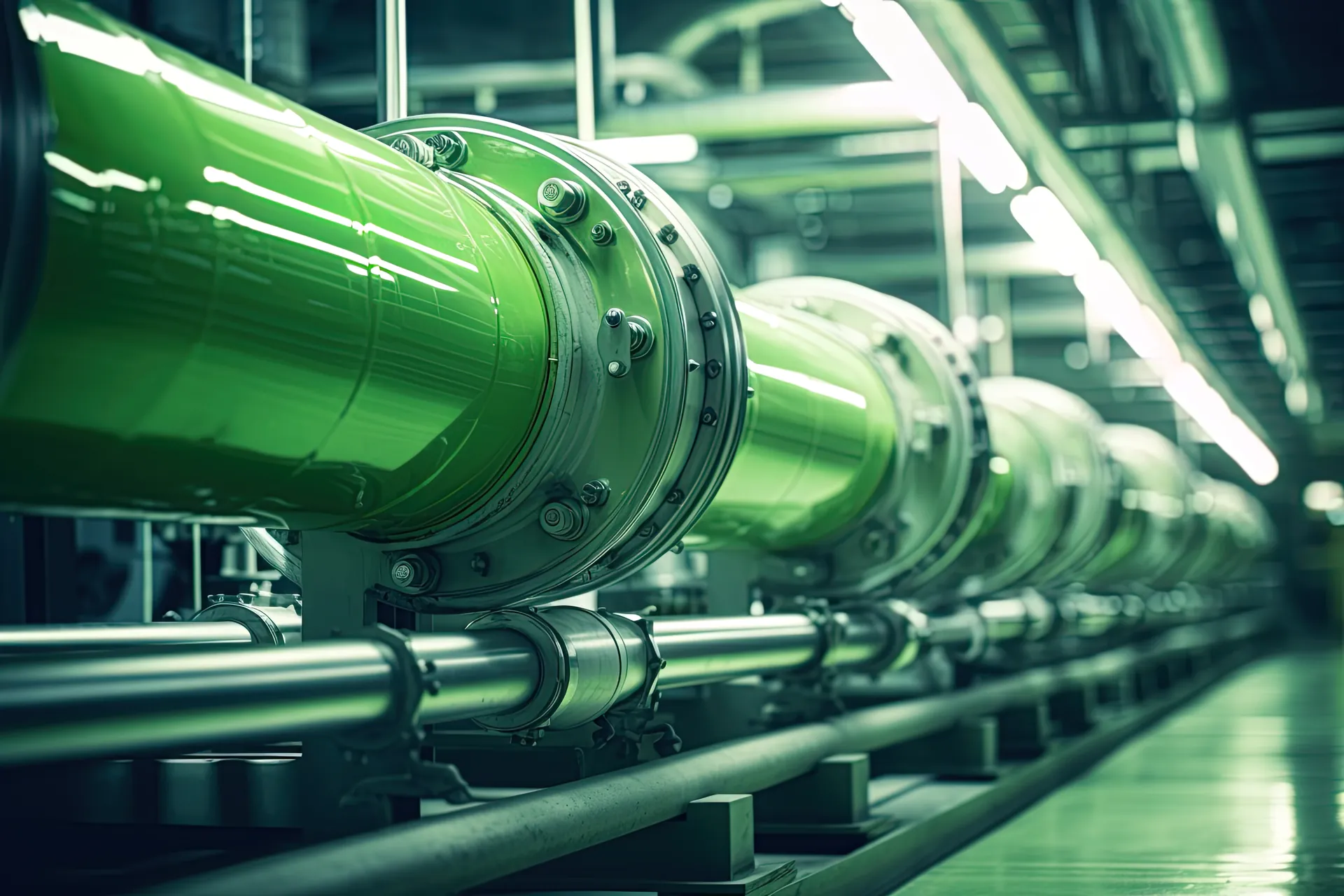
A brand-new chilled water or heating piping system looks clean. It isn’t.
During construction, a hydronic system accumulates mill scale from the pipe interior, cutting oils and drawing compounds, weld slag and metal fines, flux residues, construction debris, and — if the system sat wet for any period — the beginnings of microbial slimes. All of it is sitting in the piping on the day the balancing contractor shows up.
Two reasons the flush comes first
1. Corrosion inhibitors only work on clean metal. Effective corrosion inhibition dramatically extends the life of a system — but the inhibitor has to form a strong, adherent film on the pipe wall. On a surface covered in mill scale and oil, the film can’t establish. You end up paying for chemistry that never bonds, and the corrosion starts underneath it anyway.
2. Debris will find your smallest orifice. A dirty system may be impossible to balance, and it won’t be long before close-tolerance control valves start clogging with debris and stop the system from operating correctly. The most expensive place to discover construction debris is inside a control valve on the twentieth floor after turnover.
What a proper pre-commissioning clean looks like
The sequence matters:
- Pressure test — often performed before flushing, hydrostatic or pneumatic depending on the system.
- Flush — high-velocity flushing to mobilize and remove solids and liquid contaminants. Velocity is the whole game here: flow in every branch has to reach scouring velocity, or debris simply settles in low spots and dead legs.
- Chemical clean — an appropriate cleaning chemistry (alkaline detergent for oils and organics, acid-based for scale and oxide, per manufacturer specification) circulated, then flushed to drain.
- Passivate and inhibit — establish the corrosion inhibitor film on the now-clean metal, verify with water samples.
- Document — water test results and sign-off records for the commissioning file.
When else does a system need this?
New installation is the obvious trigger, but the same service applies when a system shows indications of corrosive activity, deteriorating water quality, high iron levels in samples, or when a facility undergoes renovation or refurbishment that opens the system.
Whether you’re bringing a new system into service or refurbishing an existing one, start with clean piping — everything downstream of commissioning depends on it.
Questions about your system? Cleanhydronics provides flushing, chemical cleaning, water treatment, and disinfection for hydronic pipe systems. Request a quote or call 919.803.7507.